 COACHING RUNNERS
THROUGH EVERY SEASON ·
THE TRIANGLE, NC & WORLDWIDE
 COACHING RUNNERS
We got this question recently and wanted to dive a little deeper into this topic because if you live somewhere flat, it can be hard to figure out just how to train for a race that may have a more rolling or hilly elevation map!
Here in North Carolina, we have such an extreme variety in terrain across the state, from the flat coastal cities to the mountains in Western NC. While training in a flat location can require getting a bit creative, don’t let this stop you from signing up from that race you are wanting to do!
Training for a hilly race is doable.The key is simulating hills with a focus on strength, power, and climbing-specific endurance, even if the elevation isn’t adding up quickly.
Having access to a treadmill may set you up for success in tackling progressive climbs in runs, but if you live near bridges or parking decks, just enough of these in the mix should help you feel confident that you can be prepared for race day, physically and mentally.
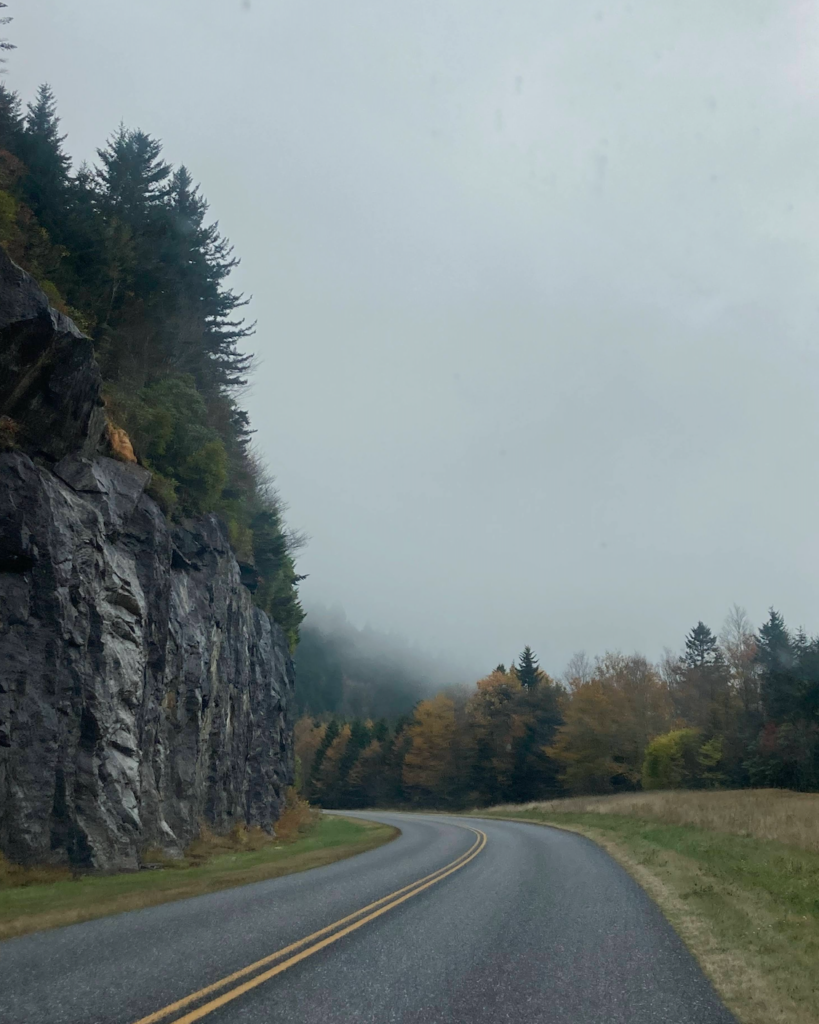
The rolling hills and trails of the Blue Ridge Parkway can be some runners’ heaven, but for those that live in flat areas, getting elevation outside can be a difficult task!
A treadmill will be your friend in this training cycle if you have access to one!
You will be able to control the incline to simulate hills for speed sessions, intervals, progression runs with spice, and equally important as uphill running will be practicing downhill running as well to prepare your quads, glutes, and calf muscles. Because we know that much of training is base pace, we also recommend taking some easy runs to the treadmill to bring in rolling hills as you go along to give your body some light exposure to them versus just when you are doing hill intervals.
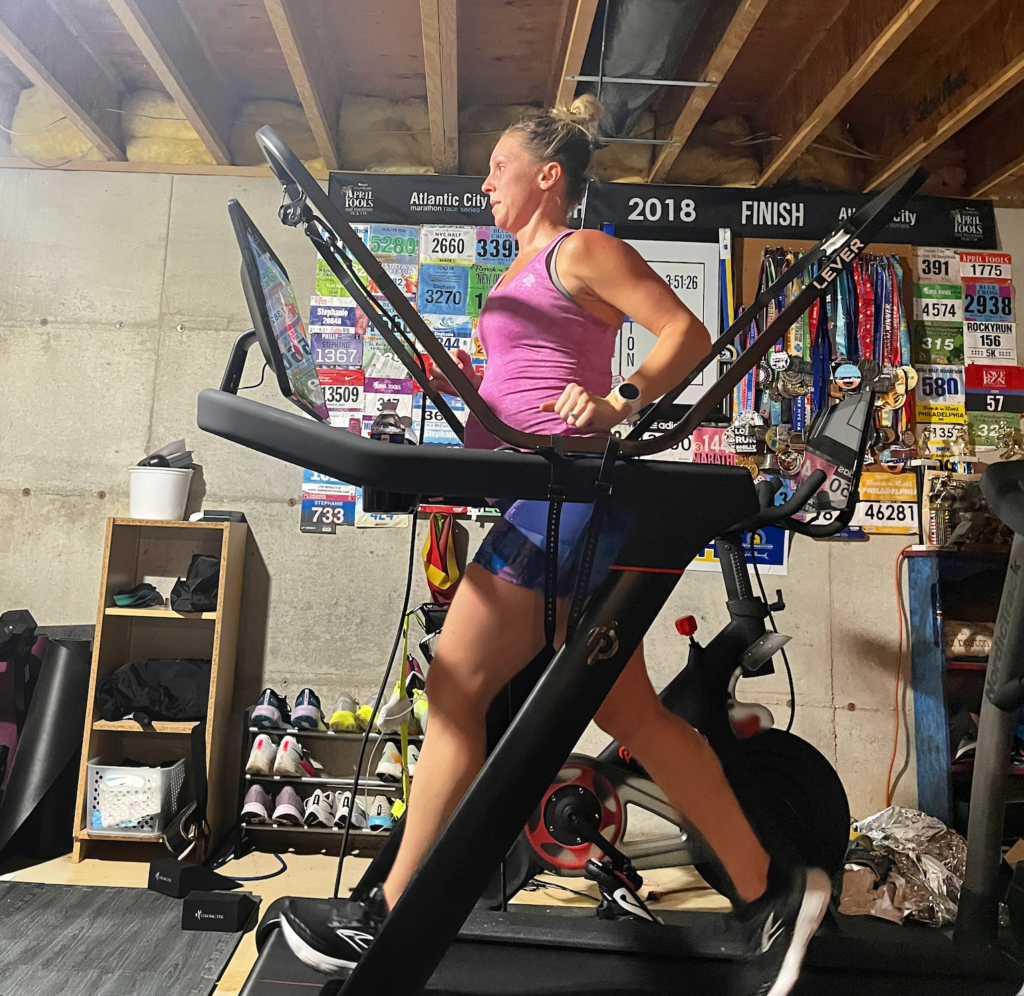
Running on a treadmill has lots of advantages, but it won’t simulate outdoor weather conditions that you might get on race day. Heat, humidity, wind, etc. all will impact your pace, feeling, and breathing, so getting outside for runs as well will be beneficial. But where can you find those places to gain some elevation? Bridges and parking garages can provide a space to get long, steady climbs in or short bursts of explosive speed. Jogging back down can help simulate downhill recovery. Getting downhill speed also in the mix can also help you feel more confident come race day.
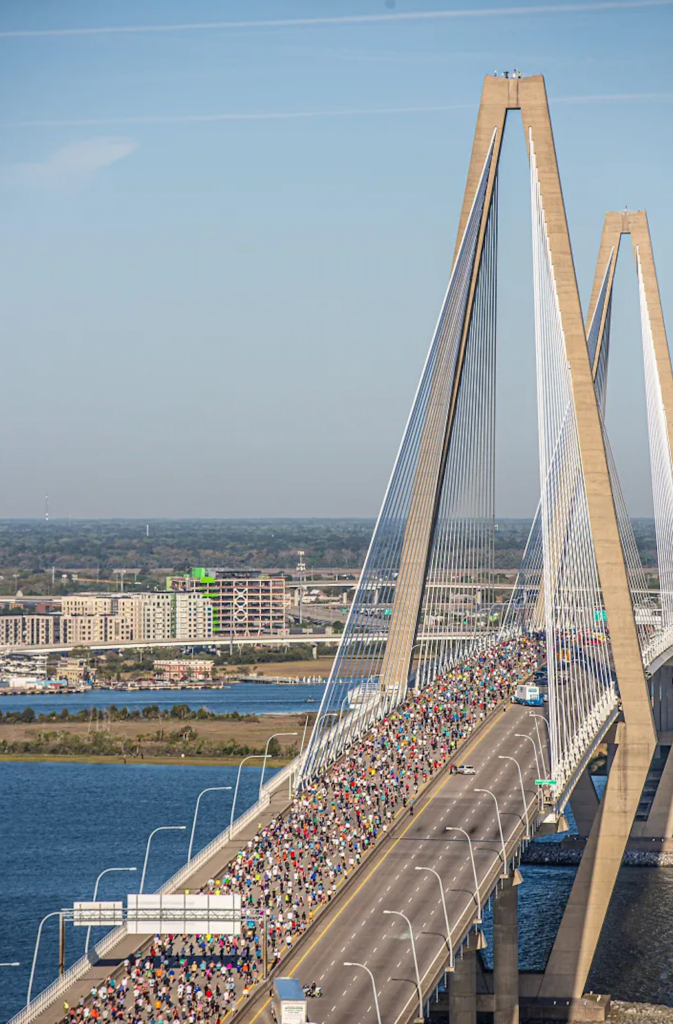
The Cooper River Bridge Run, held annually in flat Charleston, SC features 2.5 miles on the Arthur Ravenel Jr. bridge, a segment that includes a steep incline leveling out at a peak of nearly 250 ft.
Running hills requires strength, and that can’t be gained just by running alone. Committing to a strength routine (and not skipping out on it!) will be an anchor in feeling prepared to run hills. The right exercises in your strength routine will build power in your glutes, quads and calves, which combat gravity and improve running economy. You have to load the muscles that are going to be activated in this type of running, which differs from what’s going on internally when you are primarily running flat roads. Targeted strength work will help prevent niggles and injury by stabilizing joints under higher-load conditions, and allow you to maintain proper form and function as fatigue kicks in.

At Pace of Me Coaching, all 1:1 athletes and Strength athletes received a monthly strength training plan (2 workouts/week + mobility, core, warmup, and cooldown exercises) specifically for runners created by Coach Steph through the Superset App!
We love to think through which types of workouts for hill work would be best for our athletes depending on their life situations, training goals, and the ability to put hills into the mix in the creative ways we mentioned above. If you have access to a treadmill and are beginning to incorporate hills, try setting your tread to a moderate incline (4-6%) and go 5x 1 minute intervals paired with double recovery. Focus on effort over pace numbers.. So, 1 minute on at an incline, 2 minutes “off” back at an easy pace at 0-1% incline. As you grow more comfortable and have gotten used to the treadmill for hills, a steady climb effort may look like 10-15 minutes at 3-5% incline, simulating those long slow climbs you may experience in a race. Progression runs may sound familiar, but if the focus is on hills, gradually increase the incline on the tread as the run progresses, not the pace.
In a parking deck or on a bridge, it will depend on the stretch of distance that you are working with. Short bursts up the parking deck and jogs back down can be extremely beneficial ways to create a fartlek out of it where you aren’t focused so much on the pace but rather the effort up the incline. Much of hill work is truly focused on effort and feeling strong and capable!
No matter your terrain, remind yourself that your journey matters. @werunonart
There is no one workout that fits all, so working with a coach 1:1 can help you learn which workouts may be best for you! We encourage you to explore our website, blog or our Instagram at @paceofmecoaching!