
 COACHING RUNNERS
THROUGH EVERY SEASON ·
THE TRIANGLE, NC & WORLDWIDE
 COACHING RUNNERS
If you’ve been giving your all to running but feel more exhausted than stronger, you might be experiencing the often overlooked effects of overtraining. It can be really hard to determine at what point we are pushing into overtraining because each individual is going to have a unique set of circumstances that impact them. Our thresholds for what we are able to handle can vary depending on what season of life we are in as well. If you are experiencing any of the signs below, know that your awareness of it is step one – it is not too late to take a step back and listen to your body, especially before the warning signs turn into bigger issues.
Overtraining in running creeps up gradually and it’s not just feeling tired after a hard workout; it’s when your body stops adapting and starts breaking down.
Let’s chat about what to look out for.
Now let’s look at some of the big factors that can lead to overtraining.
A rapid uptick in a combination of things can sometimes lead to the unfortunate buildup to burnout, overtraining, and injury. This can come in the form of too much mileage tacked on, too many hills all of a sudden, too fast of paces, too soon jumping into speed work, etc. Too much of everything all at once often does not work out in our favor. The smartest approach to training will be one that meets you where you are at and gradually introduces these factors one at a time in a supportive and smart manner that is tailored to your unique set of circumstances.
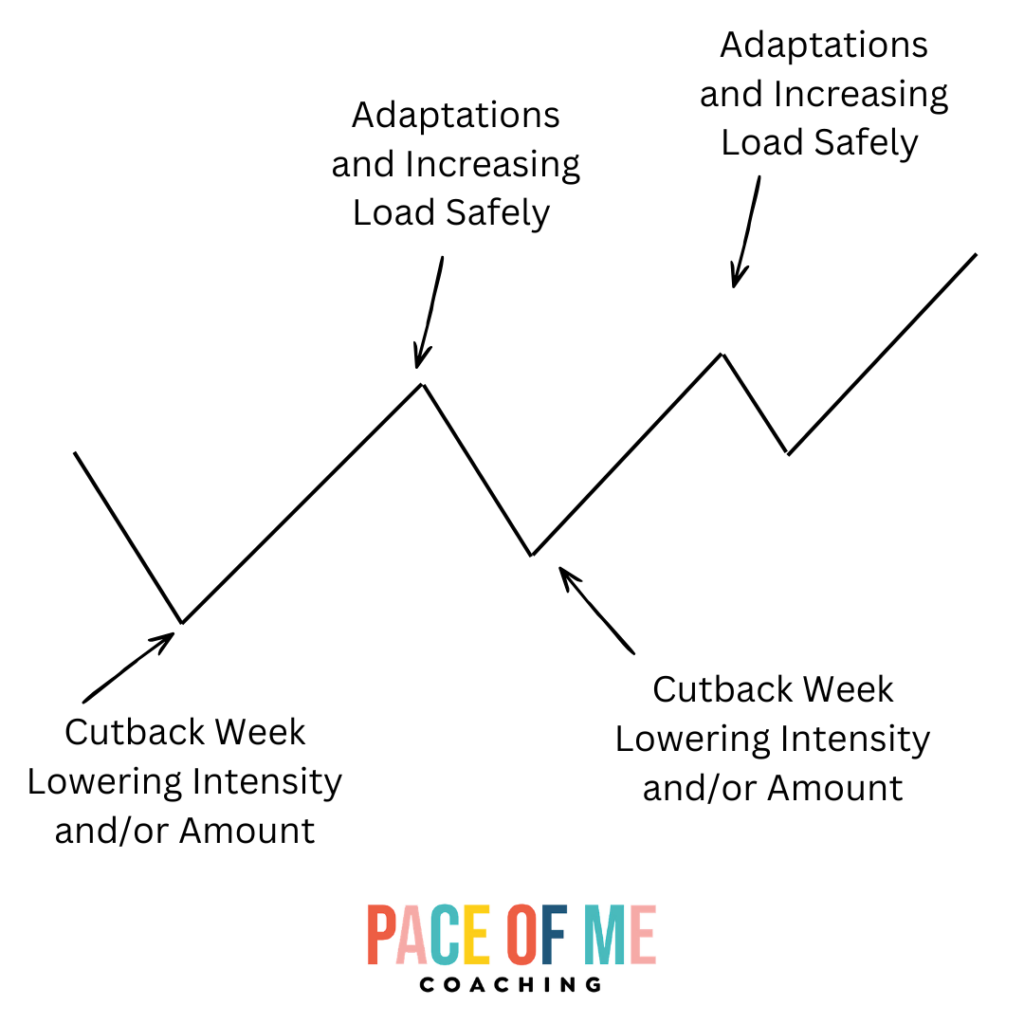
The process of progressive overload and cumulative fatigue are important as we have to break our body down incrementally, ensuring proper recovery through the cumulative fatigue so that we can rebuild and grow stronger as runners. Someone setting out to run their first marathon after running half marathons consistently is going to require a very different approach to training to someone coming back to running after months off due to an injury.

Sometimes to keep going, we have to take a step back and look at the big picture.
For the majority of runners, our days are not filled with running-related obligations. We’re busy! Whether it’s work, parenting, showing up for others, etc., running has to fit into our lives and sometimes that can lead to high stress levels, physical stress, poor nutrition, or lack of sleep (just to name a few). How we train isn’t the only piece of the puzzle- sleep, nutrition, and rest are crucial. These can lead to poor recovery if you aren’t allowing yourself adequate recovery time.
If you’re following a structured training plan, typically there are rest days plugged in. For many though, these rest days can be filled with busy life events, so rest is actually able to happen. It can be helpful to zoom out to the big picture and see if the season of life you are in is complementing your running goals or causing tension with them. Taking rest days between intense training sessions allows glycogen stores to replenish and muscles to repair. When you neglect this crucial rest, you might find yourself dragging through a work feeling heavy or feeling beat up before and after. It’s okay to take an extra recovery day or swap a workout to an easier session, but if this becomes a pattern, it may be helpful to recognize the symptoms of burnout and overtraining and adjust your program accordingly. The no pain, no gain mentality is not the way to go, but for some, taking the time off is possibly a bigger challenge for some than a tough workout.
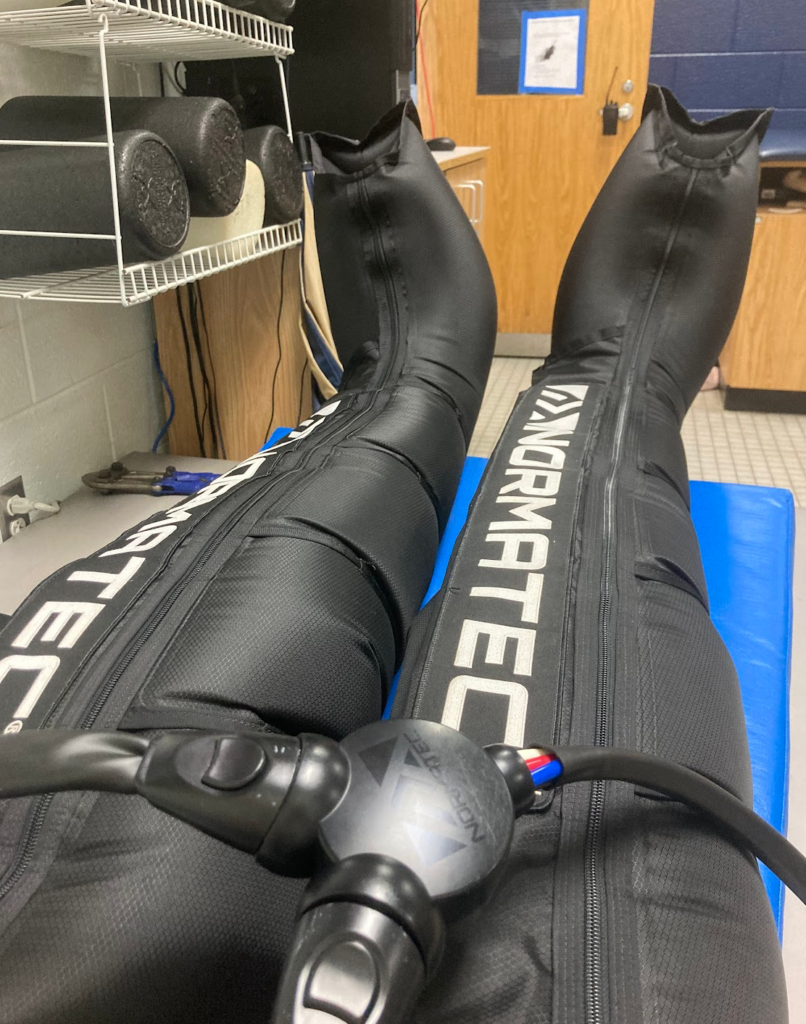
We have to take our recovery just as seriously as our training.
Poor nutrition and hydration don’t just make workouts feel harder, they directly affect your body’s ability to recover, which is what turns training into progress when done well. When recovery breaks down, you drift into overtraining. Training stresses your body, and you need enough calories (especially carbs and proteins) to repair muscles and restore glycogen. If you’re underfueling, those glycogen storages stay low, workouts feel tougher, and your body will start breaking down muscle for energy. Persistent fatigue is a major sign of overtraining. Muscle damage will add up and hinder healing. You’re essentially stacking stress on top of unfinished recovery.
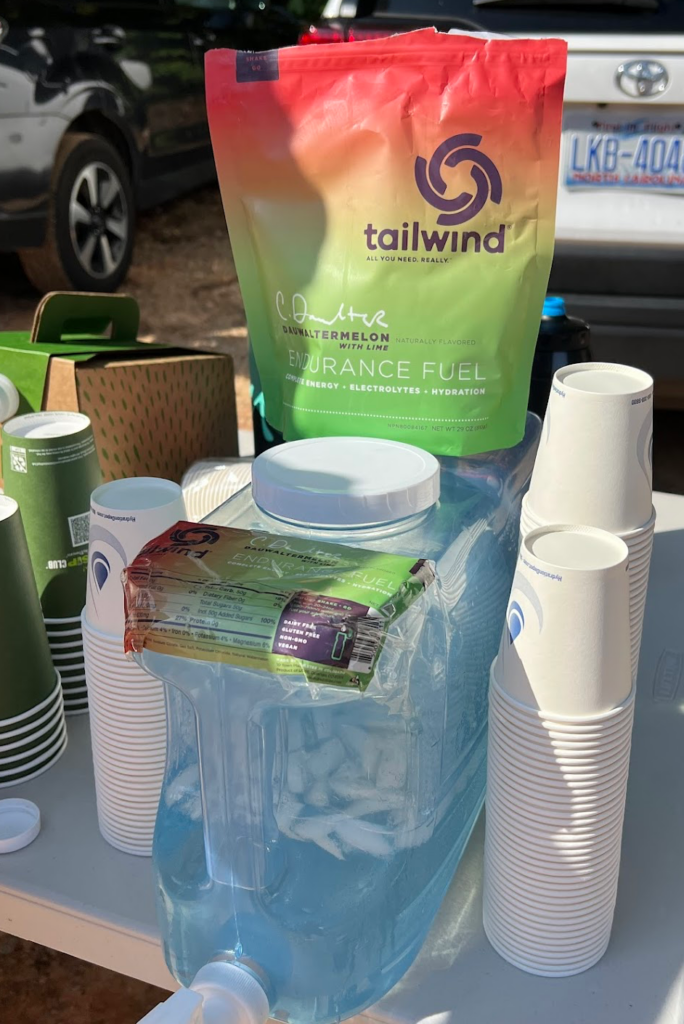
Tailwind Nutrition Endurance Fuel provides carbs, electrolytes, and hydration in one simple fuel.
Hydration is critical for blood volume and temperature regulation. When you are dehydrated, you are optimally training. Your blood flow to your muscles is less efficient, your body temperature rises faster, and your HR rises faster. Every workout will feel tougher than it should be. If there’s an electrolyte imbalance, cramping and weakness increase, and coordination and endurance decline. All of this adds extra strain to an already stressed system.
While these are two separate ideas, they both stem from the decision to push forward when something’s gotta give or change. Pushing through fatigue, pain, or injuries, ignoring the body’s need for recovery, only hinders your chance at healing and getting back to a place where training feels good and you see positive progress. If you ignore a whisper or a niggle, then you might find yourself on the path to injury. Repeating the same intense, high-load training without variety or easy days or without any cutback weeks is not a wise approach.
Having a coach can help you approach your training with clarity as there is someone else seeing the big picture and guiding you. However, the key is communication because a coach may not be aware of underlying elements like sleep, aches, stress, etc. without the feedback from you as an athlete. It’s a partnership, and at Pace of Me Coaching, we don’t just look at the numbers. Yes, they are so important to track trends and we are certified and trained to use the data to craft personalized plans, but we wholeheartedly keep you at the center as we make science-backed decisions to help you in your journey.