 COACHING RUNNERS
THROUGH EVERY SEASON ·
THE TRIANGLE, NC & WORLDWIDE
 COACHING RUNNERS
Foam rolling is a popular part of many runner’s routines, but for some, that foam roller might be one of those items collecting dust in the corner of a room! Does this sound like you? There’s a good reason why it can be a helpful part of your warmup, cooldown and general maintenance – but you might be wondering if it’s really worth it. Do you feel like it’s something you should be doing or is it really something you need to be doing… Let’s talk about it!
At Pace of Me Coaching, we believe taking care of your body before, after, and in between runs is just as important as the miles you put in. When we start working with our athletes, we stress the value of little habits like foam rolling daily to help with your overall training and recovery. We’ll share below about what foam rolling can do for you, how to do it, and whether it’s something worth adding to your routine.
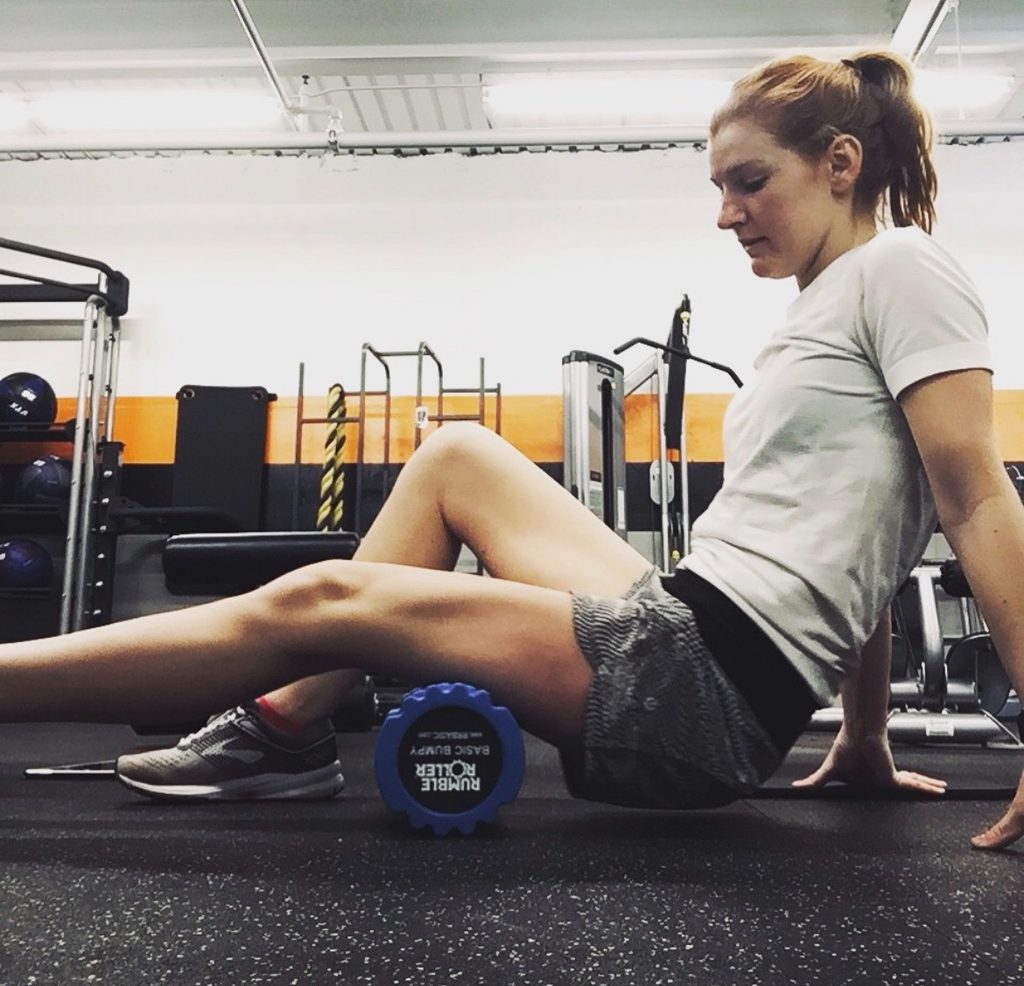
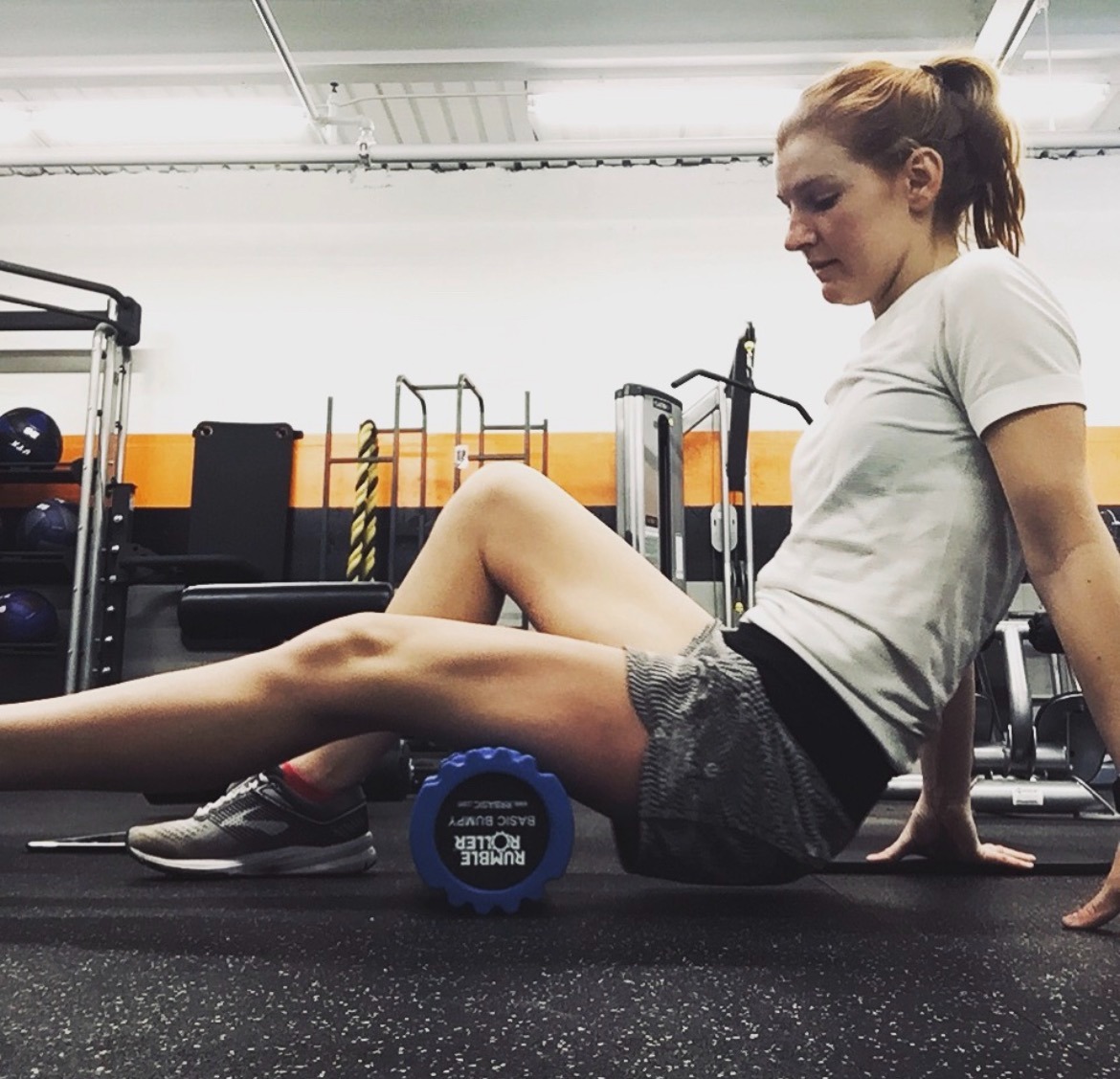
Runners put a lot of repeated stress on their body, especially their legs. Soreness in these areas can build up, and foam rolling is a process of self-massage to apply pressure to different areas. These cylindrical foam tools come in a variety of different types, but all will generally allow you to work out areas like your glutes, hamstrings, calves, quads, etc. Some foam rollers are smooth all the way around and gentler on the massage element, while others might have textured grooves on the surface to work more deeply into the targeted areas. Spending even just a few moments working out these muscles with a foam roller can help your body feel more comfortable overall, sometimes even providing immediate relief.
Why do we recommend adding foam rolling into your pre- and post- running routine? There are several reasons, we’ll share three, and we hope one or more of these stick with you!
1. It helps with muscle soreness and increases blood flow: The process of foam rolling increases circulation and brings oxygenated blood to the soft tissue of the targeted area being worked on. It eases muscle tension as rolling activates pressure receptors in your body that sends signals to your brain, temporarily blocking pain signals. Foam rolling can help delay muscle soreness. Delayed onset muscle soreness, also known as DOMS, is something that can hit a runner after a tough workout, strength session, or long run. Foam rolling can help relieve some of that soreness early on!
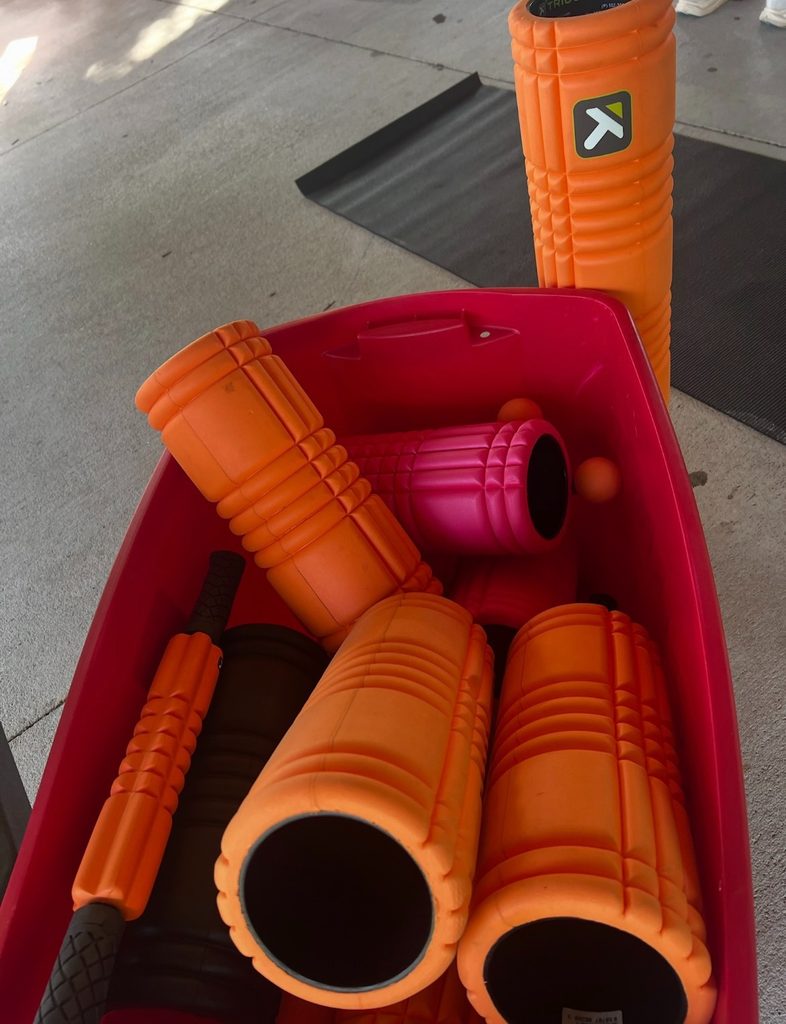
2. It can improve flexibility and mobility: Foam rolling can temporarily improve your range of motion! Running takes an efficient range of motion, and if foam rolling is something that can help you, why wouldn’t you add it in? If you’re feeling stiff before a run, spending a few minutes using a foam roller may be what helps that run feel a little bit smoother. It’s a tool to help you, but it won’t be the quick fix to cure all the soreness magically all at once. We all want to move smoother on our runs, so we see this as a beneficial step.
3. It’s quick, easy, and affordable to do at home: Between fitting in workouts, getting your strength work in, going to work, getting to all your kid’s activities, life is busy! Running demands a lot too on you, both physically and mentally. It can be hard to spend just a few minutes giving back to your body and allowing it a little bit of recovery, but it can be so important to do so. Foam rolling is a great opportunity to slow down and check in with how you’re feeling. Just a few minutes here and there can help your runs feel even better (and with better recovery!). It’s all about building that habit to make time for this simple step. You don’t need a gym membership or even a visit to a PT office to make foam rolling happen. It’s an easy way to add something beneficial to your routine without making your schedule more complicated.
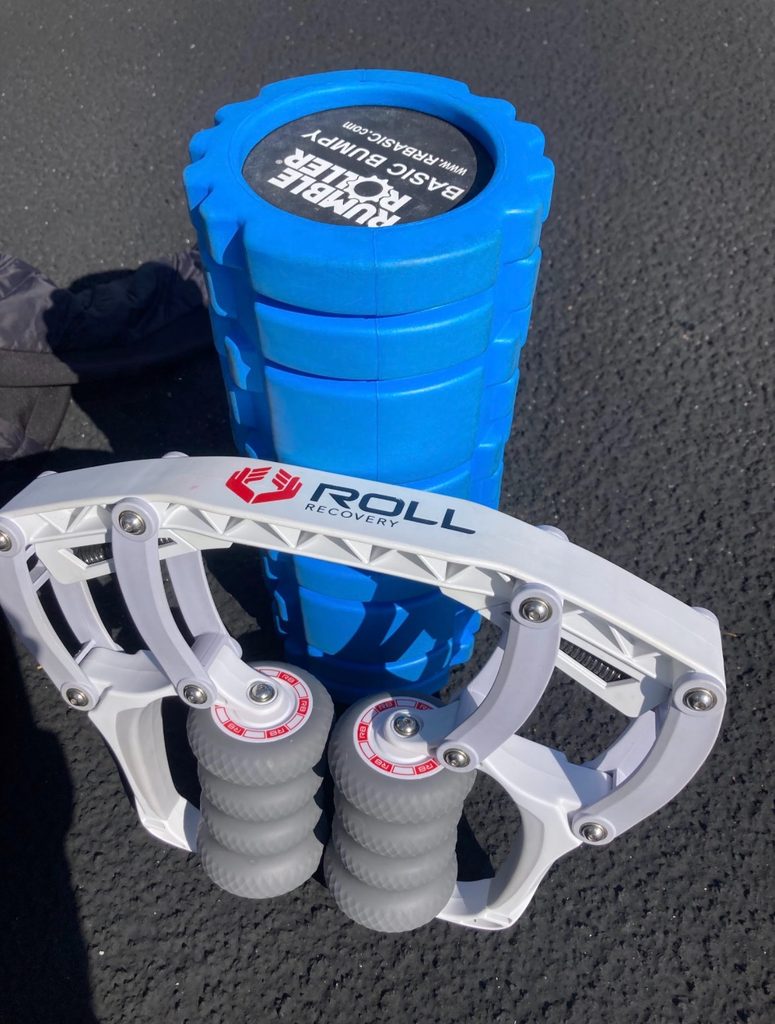
Our answer…. as consistently as possible and whenever you have have the time and find it helpful to do so! This can be before a run if you’re feeling stiff. We don’t suggest replacing your warmup with foam rolling, but a combination of the two can be beneficial overall. If prioritizing the recovery is important to you, maybe you’d prefer to do it after. You can even do it at night before you go to bed! The foam roller is a simple, low-cost tool, but many now have handheld massage tools that you can set to various levels of pressure. These rollers don’t have to be an everyday thing to add to your plate, but the more you can make a habit out of this short, simple process, the better you might feel on the run and in your recovery.
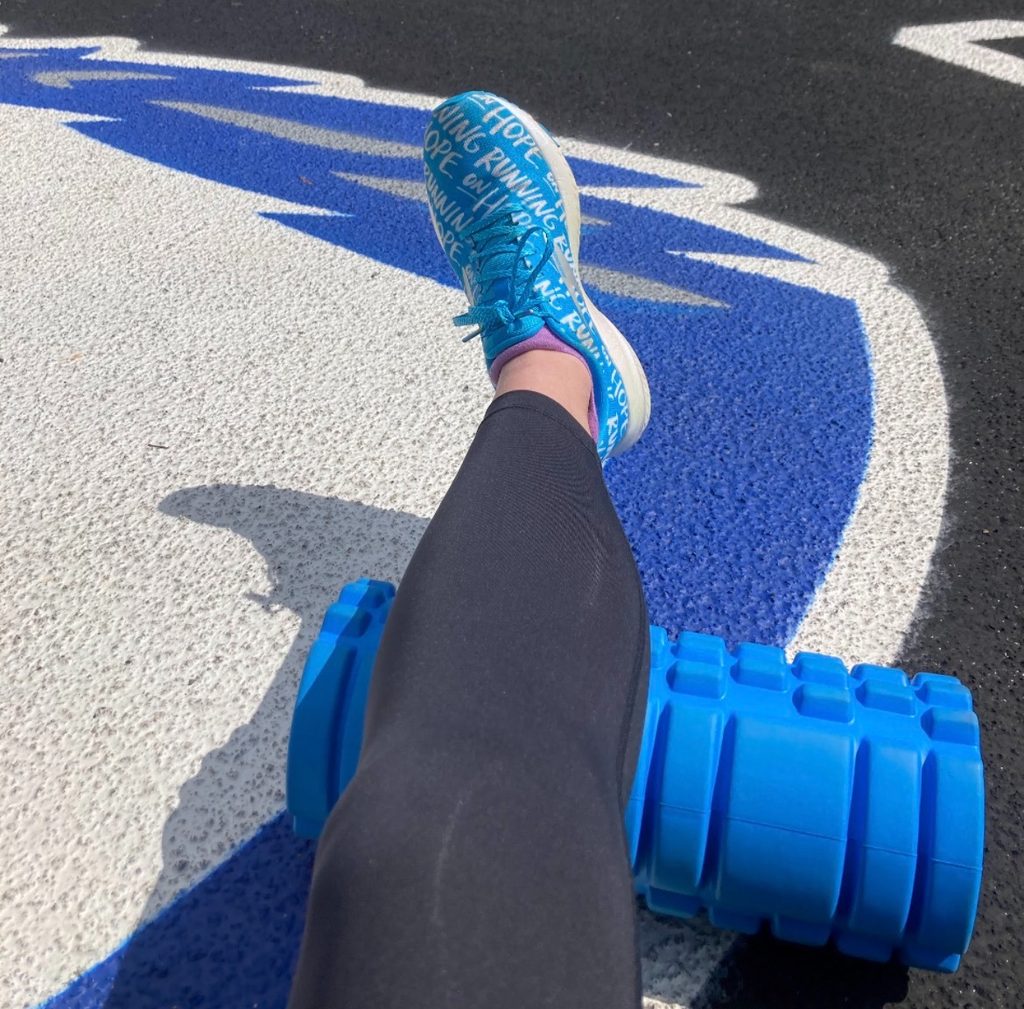
Gotten this far reading and still not sure how the foam roller is used? Start with targeting a muscle group and slowly taking that foam roller under it with light pressure. There’s no rush in this process, it really is about slow, repeated back and forth movements going over that target spot. You control the pressure and how much weight you are putting onto that roller in that spot. Stay relaxed and as you feel ready, gently apply more pressure. If you are just beginning to use this as a tool, we recommend staying gentle on the pressure for a while until you get more comfortable with more pressure. It’s important to avoid sensitive areas and rolling directly over bones or injured areas, and you shouldn’t be rolling through pain! More pressure does not always equal better results.

We believe it is! It isn’t a magic fix, and you can’t foam roll your way out of an injury or poor recovery, but creating habits in your routine and practice can help your running and recovery improve. Foam rolling can be in that habit list, like getting quality sleep and eating well-balanced meals, etc. It’s a convenient way to help ease muscle soreness and tension and temporarily improve mobility while also giving you important feedback on where your tight spots and niggles are. Some may not find this process helpful (we promise we don’t make it mandatory!), but we highly encourage foam rolling as a resource to support yourself to perform and feel your best while pursuing running goals.
We’re curious now … do you foam roll as part of your routine? If not, give it a try and let us know what you notice!