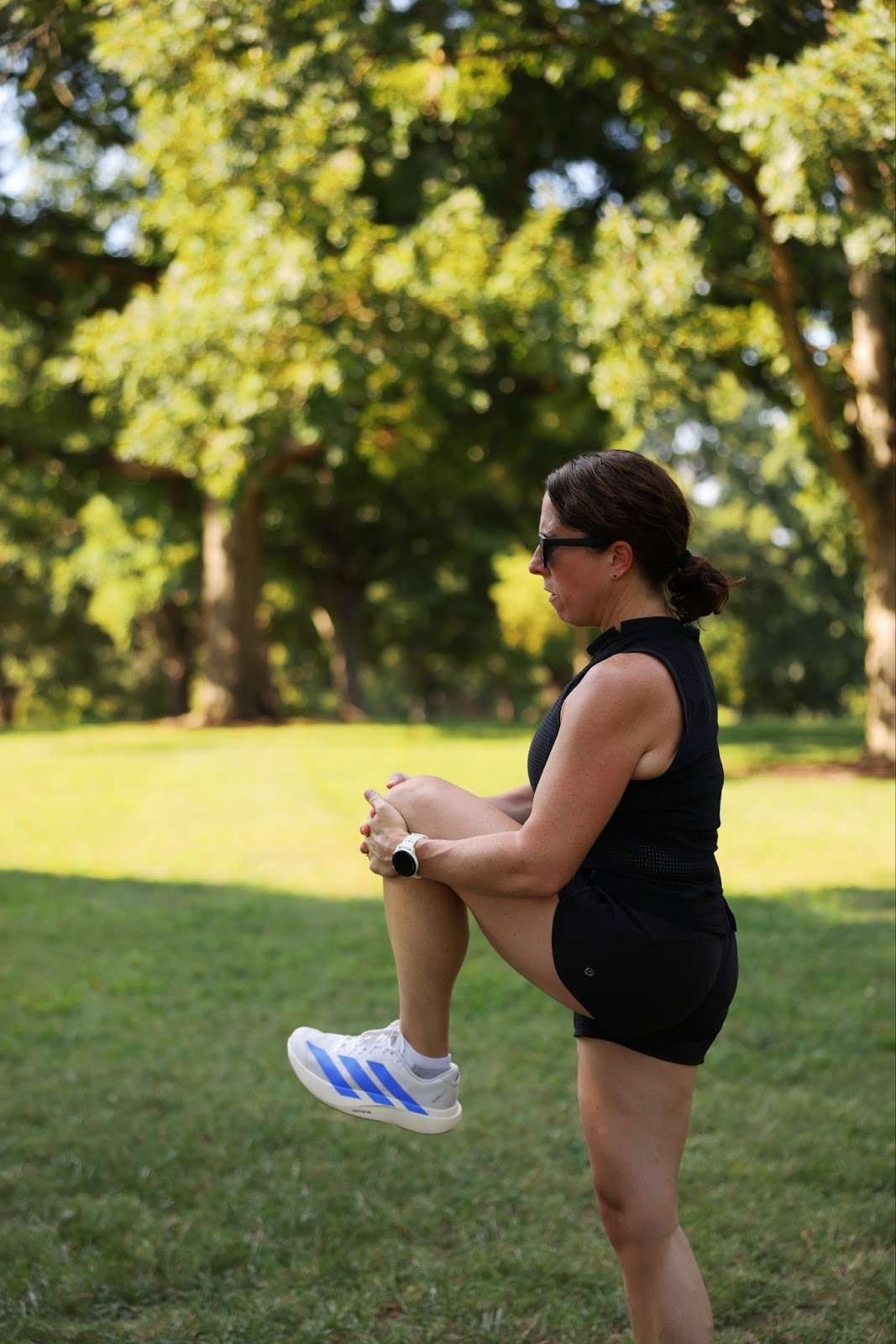
First, take a deep breath! We’ve all been there and can share stories about that time we got anxious about a little tweak that we felt coming on. However, sometimes it is hard to tell if it’s a pain you should train through with caution or one you should rest. Thankfully, there are tons of resources out there to help you and having a PT in your support system can be a valuable addition to your running journey.
Photo by Justin Hall.
Every body is different, from our genetic makeup, to biomechanics to our athletic history. It also matters how long we have been training consistently and building up to the current level of fitness. We cannot expect to jump dramatically in intensity without preparing our bodies for that greater load. In other words, we have to avoid going ‘too much, too fast, too soon’ in our training to move efficiently in the ways we want to. Working with a certified coach who understands the importance of this and will meet you where you are to help you reach your goals can help guide you in your training.
Photo by Justin Hall.
One thing about runners is that many of us are great (or maybe getting better…) at listening to our bodies. Training can bring on a load that can stress the body- much of this is good, necessary stress as we want to allow our bodies the time to adapt to the rigors that training requires. It is the balance between training and recovering that successfully overloads the musculoskeletal system to help you make gains and feel stronger. It is common to feel fatigued and sore during certain periods such as after a tough speed session or a big strength circuit. However, issues can arise when you overload your system without adequate recovery or stretch your threshold for how much your body can handle at that given time. But what does that mean? How do we know when it’s just a niggle or something more?
What is a niggle and what causes it?
A niggle can be a low-level discomfort that you might feel in either a joint, muscle or tendon. A little ache or tightness might be felt at certain times of the day- it might be while you’re running, but it can also be something that just pops up when you’re resting, in the morning when you wake up, and it can come and go. Hence why it can feel confusing to figure out what is causing it. While a slight discomfort may bug you, niggles can be signs that you might need to adjust something such as scaling back your mileage, add more strength work in, or swap out your shoes. It can be a warning sign from our body that we are weak in an area (sometimes this can be caused by former injuries) or that we are doing too much. Sometimes running feels completely normal with a niggle, or it can go away once you get adequately stretched and warmed up. An extra day off or scaling it back may be the best thing to avoid a more serious setback.
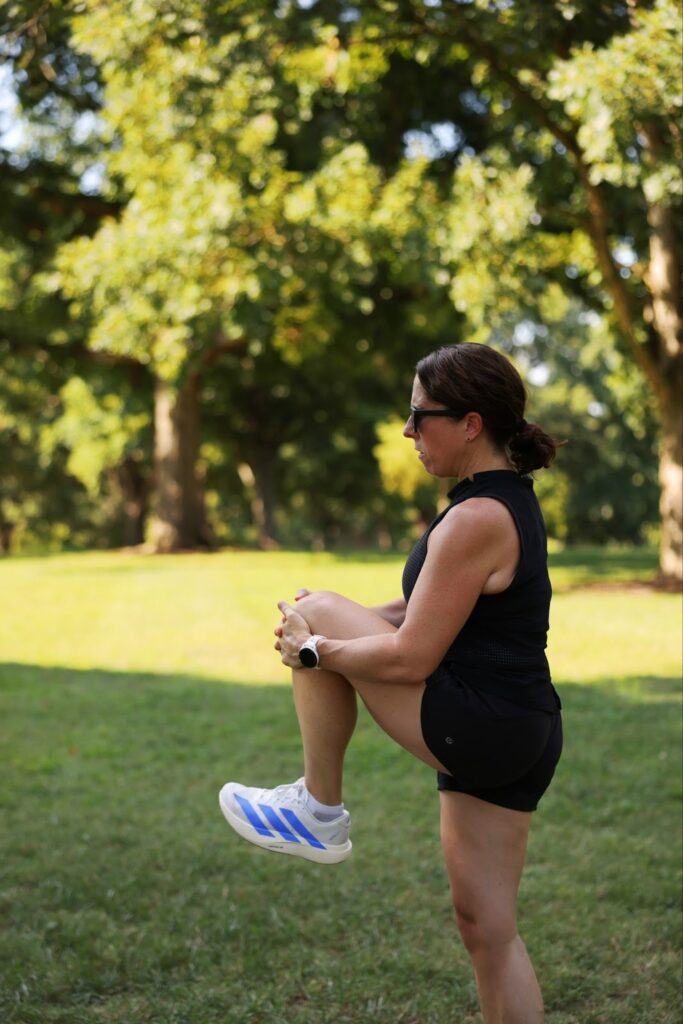
Can you run with a niggle?
Depending on the feeling of discomfort of the niggle, letting your coach know or booking an appointment with a physical therapist will be the best first step in navigating what to do with a niggle or “off-feeling”. A day or two of rest may be helpful, but if an easy run does not aggravate it further, sometimes the answer may be to just scale the distance or intensity back. If your run increases that discomfort to pain, STOP running. If the niggle only arises when you do certain patterns of movements, such as strides or hills, hold off on those workouts until you are pain-free. Strength training and recovery work can and will help imbalances in the body. Visiting a PT will be allow your niggle to be assessed to create a treatment plan. As run coaches, we find it extremely helpful to work as a team with your support system to adjust your training with your individual needs.
When might a niggle go away?
Our answer… it depends… It might be something that goes away in a day or two but without listening to your body’s cues, it might stick around or even get worse. We always like to remind our athletes that an unplanned rest day will not make or break a training plan, but running through pain can. When in doubt, rest is best and consult your coach and/or PT. You know your body best, but don’t ignore these warning signs!